Tight Staircase Moves in Kingston: Solutions for Narrow Homes
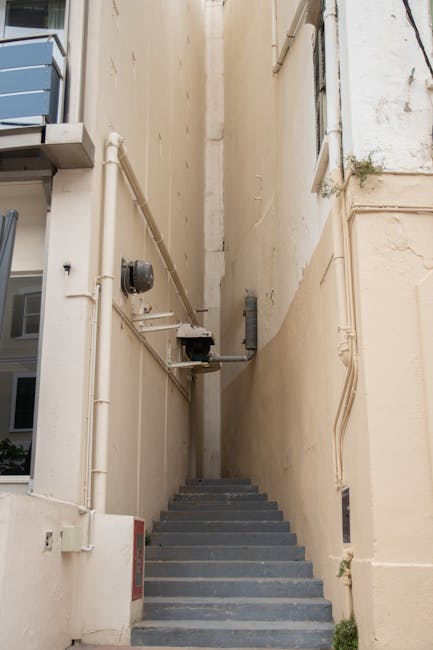
If you live in Kingston and your staircase feels more like a narrow corridor than a proper flight of stairs, you already know the problem: moving furniture can turn into a slow, awkward, slightly nerve-racking puzzle. Tight staircase moves in Kingston are not unusual at all, especially in older terraces, converted flats, and compact townhouses where every turn seems to take another inch from your breathing room. The good news? With the right preparation, the right equipment, and a calm plan, narrow-home moves can be handled safely and without the drama people fear.
In this guide, we'll break down how tight staircase moves actually work, what makes them difficult, which mistakes cause damage, and how to make the process far smoother. We'll also look at practical options for moving day support, whether you're shifting a single heavy sofa or managing a full home move in a tricky property layout.
Why Tight Staircase Moves in Kingston Matters
Staircases are where many home moves go from "manageable" to "how on earth is this going to fit?". That's especially true in Kingston, where a lot of properties were not designed with modern furniture in mind. A narrow stairwell, low ceiling clearance, awkward landings, and sharp turns can all create friction in a move that looked simple on paper.
Why does this matter so much? Because tight access is not just inconvenient. It increases the risk of scratched walls, chipped bannisters, damaged furniture, strained backs, and avoidable delays. Once the item is halfway up the stairs and someone realises the angle is wrong, the whole operation slows down. You can almost feel the tension in the hallway.
There's also a cost angle. A move that needs extra handling, more time, or specialist lifting techniques may require more planning than a standard straight-in delivery. That doesn't mean it has to become expensive or complicated. It just means the move should be treated as a precision job rather than a brute-force one. Truth be told, narrow homes reward patience.
For people arranging a full relocation, it often makes sense to look at support options such as home moves or house removalists when the staircase is clearly the bottleneck. For smaller jobs, a flexible man and van approach can be a practical fit, especially when you need careful handling rather than a huge vehicle and a long crew.
Table of Contents
- Why Tight Staircase Moves in Kingston Matters
- How Tight Staircase Moves in Kingston Works
- Key Benefits and Practical Advantages
- Who This Is For and When It Makes Sense
- Step-by-Step Guidance
- Expert Tips for Better Results
- Common Mistakes to Avoid
- Tools, Resources and Recommendations
- Law, Compliance, Standards, or Best Practice
- Options, Methods, or Comparison Table
- Case Study or Real-World Example
- Practical Checklist
- Conclusion
- Frequently Asked Questions
How Tight Staircase Moves in Kingston Works
The process starts before a single box moves. Good stair moves are usually won or lost at the measurement stage. You need to know the width of the stairs, the height of the ceiling at the landing, the size of the item, and whether there are banisters, radiators, or light fittings that might get in the way. In a lot of narrow homes, the issue is not the staircase itself but the turning space at the bottom or top.
Once the layout is understood, the move is planned around the object rather than around the clock. That means deciding whether the item can be carried upright, tilted, rotated, or dismantled. A wardrobe that looks impossible in one piece may be straightforward once the doors, shelves, or legs are removed. A sofa may need to be carried on its side, wrapped properly, and guided slowly through each turn.
Professional movers often rely on a mix of technique and coordination. One person guides the front, another controls the back, and someone else watches the walls, steps, and corners. It sounds simple. It rarely is. But when done properly, the movement is careful, controlled, and much safer than trying to muscle through.
If the staircase is truly too tight, alternative methods may be used. These can include moving the item through a different route inside the property, taking it apart, or using a better vehicle and loading strategy so the item is handled fewer times. For bigger moves involving several bulky pieces, a moving truck or removal truck hire may help keep the logistics tidy once the staircase challenge is solved. Different job, same goal: no drama on the day.
Key Benefits and Practical Advantages
The obvious benefit is avoiding damage. But there's more to it than that. A thoughtful staircase move protects the property, the items, and the people doing the lifting. That matters in homes with painted walls, older plaster, narrow halls, and staircases that have already seen a few knocks over the years.
- Less damage risk: Careful handling reduces scuffs, dents, and broken corners.
- Better time control: A planned move is usually faster than repeated failed attempts.
- Safer lifting: Good technique helps reduce strain and awkward twisting.
- More confidence: You know the move has been thought through, not improvised.
- Better item protection: Wraps, blankets, and straps matter more on tight stairs.
There's also a psychological benefit. A narrow staircase can make people panic, and that panic spreads quickly. One person starts rushing, another loses grip, and suddenly the move becomes messy. A clear plan slows the whole thing down in the best possible way.
Expert summary: The safest tight staircase moves are rarely the fastest at the start, but they nearly always finish better. Planning the angle, the lift, and the path beats trying to "just get it through" every time.
For homes with several heavy items, combining furniture handling with packing and unpacking services can reduce the number of awkward lifts. That's useful when your staircase already feels busy before moving day has even begun.
Who This Is For and When It Makes Sense
This type of move is relevant if you live in a property where normal-sized furniture and normal-sized staircases simply do not get along. That includes many Kingston homes with compact internal layouts, older buildings, converted upper-floor flats, and shared stairwells where every turn needs careful coordination.
It also makes sense for people who are moving just one or two awkward items. A heavy wardrobe, a king-size bed frame, a piano stool, a dining table with chunky legs, or a sofa with a deep frame can all be more difficult than a full room of small boxes. Oddly enough, the "one big item" move can be the trickiest of all.
You may need this service if:
- the staircase has a tight turn or low ceiling clearance;
- the item cannot be safely lifted by two people without strain;
- the walls or bannisters are easy to damage;
- the property has narrow hallways before the stairs even begin;
- you want to avoid breaking down furniture yourself;
- you need help moving items into or out of a top-floor flat.
Commercial and office moves can face similar issues too, especially when desks, cabinets, or IT furniture need to pass through tight internal staircases. In those cases, support from commercial moves or office relocation services may be the better fit, since the job is usually more about timing, access, and careful handling than simple transport.
Step-by-Step Guidance
Here's a practical way to handle a tight staircase move without turning it into a wrestling match.
- Measure the route. Check staircase width, landing space, door openings, ceiling height, and any corners or railings.
- Measure the item properly. Include handles, protruding corners, and anything that makes it awkward to turn.
- Decide whether it needs dismantling. Remove legs, shelves, doors, cushions, or detachable sections where possible.
- Protect the property. Use blankets, wraps, and corner protection to reduce scuffs and scrapes.
- Plan the carrying angle. Think about whether the item moves better upright, sideways, or slightly tilted.
- Assign roles clearly. One person leads, one supports, one spots hazards. Mixed signals are a mess.
- Move slowly through the narrowest point. Don't rush the turn. That's usually where trouble starts.
- Pause and reset if needed. Back out, breathe, and try a different angle rather than forcing it.
If you're handling a household move with multiple bulky pieces, it can help to separate the staircase items from the easy items. A smart loading order means the difficult furniture is dealt with early, while everyone still has energy and focus. By 4 pm on a moving day, nobody wants to discover the sofa is still upstairs. Happens more than people admit, to be fair.
Expert Tips for Better Results
There are a few small things that make a surprisingly big difference.
- Use the right wrap at the right time. Soft furniture blankets are good for painted corners; stretch wrap helps keep drawers shut.
- Clear the staircase completely. Shoes, plants, bins, rugs, and picture frames all become obstacles once the move starts.
- Watch the landing first. People often worry about the stairs but forget the landing is where the item has to pivot.
- Keep hands dry and gloves sensible. Grip matters more than people think.
- Don't underestimate a light item with bad dimensions. A long, awkward table can be harder than a much heavier box.
One small local reality: older Kingston properties can have narrow hallways that seem friendly at first, then tighten up just where you need to turn. So measure the whole route, not just the staircase. That little detail saves a lot of sighing.
If the move includes furniture that you no longer want to keep, it may be worth arranging a separate furniture pick up so you're not trying to force a worn-out item through a staircase it barely fits in anymore. Sometimes the best moving decision is the one that reduces what has to be carried at all.
Common Mistakes to Avoid
The mistakes are usually not dramatic. They're small, ordinary, and very avoidable. Which is why they happen so often.
- Failing to measure the turning points. The item might fit vertically but fail at the landing.
- Forgetting about fixtures. Light fittings, wall art, and railings can get clipped by accident.
- Using too few people. A narrow staircase can require more control, not just more strength.
- Rushing the final corner. That final bend is where walls get nicked and tempers rise.
- Not dismantling furniture in advance. Leaving this until moving day is a classic headache.
- Poor communication. "Left" means nothing if nobody is clear about whose left you mean.
There's also the old mistake of assuming the item can be persuaded through if everyone tries hard enough. That's not a strategy. That's a hope. And hopes are lovely, but they don't protect stair rails.
Another one: not planning for the exit as carefully as the entry. Moving something downstairs can be harder than getting it up, especially if the item has to be lowered with control and not just carried. Slightly awkward? Yes. Common? Absolutely.
Tools, Resources and Recommendations
You don't need a warehouse full of specialist kit, but the right basics matter. In most tight stair moves, the most useful items are the ones that prevent friction, protect surfaces, and improve control.
- Furniture blankets: Good for protecting corners, frames, and polished surfaces.
- Straps and lifting aids: Useful for improving balance and keeping hands in safer positions.
- Stretch wrap: Helps secure drawers, doors, and loose parts.
- Gloves with grip: Helpful in damp weather or on slick surfaces.
- Corner guards or padding: Handy for tight hallways and painted banisters.
- Basic toolbox: Often needed for dismantling beds, tables, or wardrobes.
For larger home moves, professional support can save time and protect the property. If you're comparing moving help, look at the size of the job, the access restrictions, and whether you need a smaller flexible setup or a more structured vehicle arrangement. For example, man with van support can work well for compact moves with limited access, while removal truck hire may suit larger loads that need more capacity.
And if you're still in the planning stage, it helps to review pricing and quotes early so you understand how access, item size, and handling requirements may affect the overall job. No surprises. Everyone likes that.
Law, Compliance, Standards, or Best Practice
For a move like this, the most important compliance point is simple: work safely and avoid preventable damage. In the UK, moving work should be handled with attention to manual handling, safe lifting, and reasonable care for both people and property. That's not just a nice idea; it's standard good practice.
In practical terms, that means:
- not lifting beyond what the team can safely control;
- using suitable equipment for awkward or heavy items;
- keeping routes clear before moving begins;
- protecting floors, walls, and stair surfaces where needed;
- being realistic about when an item should be dismantled rather than forced.
Insurance and safety also matter. If an item is valuable, fragile, or difficult to manoeuvre, it's sensible to understand how responsibility is handled before moving day. For that reason, a quick review of insurance and safety information can be a practical step, not just a box-tick. The same goes for knowing the basics of health and safety policy if you're booking professional support.
If you're using a removal company, it's also wise to read the terms and conditions and payment and security information so you know what to expect before the crew turns up with blankets, straps, and that focused expression people get when a sofa meets a stairwell.
Finally, good handling of unwanted items should include responsible disposal or reuse where possible. If furniture is being removed as part of a wider declutter or move, a page on recycling and sustainability is worth considering. It keeps the process cleaner and less wasteful.
Options, Methods, or Comparison Table
Not every tight staircase move needs the same approach. The right method depends on the item, the route, and how much time you have. Here's a simple comparison to help you think it through.
| Method | Best For | Advantages | Limitations |
|---|---|---|---|
| DIY with a friend | Small, light, low-risk items | Low cost, flexible timing | Higher strain, more chance of mistakes |
| Man and van support | Single items or compact moves | Practical, efficient, less hassle | May not suit very bulky or complex jobs |
| Full home move team | Multiple rooms or larger houses | Better coordination, more hands, better pacing | Needs more planning and usually more budget |
| Specialist dismantle-and-move | Large wardrobes, beds, awkward furniture | Often the safest route for tight access | Requires time for disassembly and reassembly |
For some households, the best choice is a hybrid approach. Move easy items one way, dismantle awkward pieces, and leave the staircase-heavy furniture to people who know how to handle it. That middle ground is often the sensible one, not the glamorous one. But then moving house is rarely glamorous.
Case Study or Real-World Example
Picture a top-floor flat in Kingston with a narrow staircase, a tight landing, and a sofa that looked completely normal in the showroom but now seems to have grown overnight. The move starts well enough. Boxes are easy. A lamp? Fine. Then the sofa arrives and, suddenly, the stairwell feels two inches smaller.
Instead of forcing it, the team pauses, checks the turning point, and removes the feet and loose cushions. That little adjustment changes everything. The sofa is wrapped, tilted carefully, and carried with one person guiding the top end and another supporting the lower frame. The move takes longer than the boxes, naturally, but the walls stay clean and the sofa arrives intact.
What made the difference? Not strength. Planning.
That's the real lesson in tight staircase moves. The successful ones are rarely about speed. They are about reading the property properly, understanding the item, and choosing the safest method before anyone starts sweating on the stairs. And yes, there is usually a bit of sweat.
Practical Checklist
Use this before moving day. It keeps the process calm and a lot less messy.
- Measure the staircase, landings, and door frames.
- Measure all bulky items, including handles and protrusions.
- Check whether furniture can be dismantled.
- Clear hallways, stairs, and landings.
- Protect walls, bannisters, and corners.
- Confirm who will carry, guide, and spot hazards.
- Prepare blankets, tape, straps, and tools.
- Plan the order of items for loading and unloading.
- Review access details and parking arrangements.
- Keep water, gloves, and basic first aid nearby.
Practical takeaway: if the item looks awkward before the move starts, it will not magically become easier halfway up the stairs. Treat the staircase as the main event, not an afterthought.
Get a free quote today and see how much you can save.
Conclusion
Tight staircase moves in Kingston are one of those moving-day challenges that look simple from a distance and completely different once you are standing in the hallway with a bulky sofa. Narrow homes demand patience, planning, and the right handling methods. Once you accept that, the whole process becomes a lot more manageable.
The smartest approach is usually straightforward: measure carefully, clear the route, dismantle where needed, protect the property, and use the right support for the job size. Whether you are handling a single awkward item or organising a fuller home move, good planning turns a difficult staircase into just another step in the process. Not the easiest step, admittedly, but one you can get through without the panic.
And if you're still weighing up your next move, take it one decision at a time. That's often all it needs. Calm, clear, sorted.
Frequently Asked Questions
What are tight staircase moves in Kingston?
They are moves where furniture or boxes have to pass through narrow stairs, tight landings, or awkward turns in Kingston homes. The challenge is usually access, not distance.
Why are narrow homes harder to move in?
Narrow homes limit turning space, reduce lifting angles, and increase the chance of bumping walls or bannisters. Even relatively small items can become awkward if the staircase layout is tight.
Can large furniture be moved up or down a narrow staircase?
Often yes, but it depends on the measurements and the furniture shape. Sometimes the item needs to be dismantled first, and sometimes it is safer to use a different carrying angle or handling method.
Should I dismantle furniture before a tight staircase move?
If the item has removable parts, dismantling usually helps. Beds, wardrobes, tables, and some sofas are often easier to move in sections than as one large piece.
What is the safest way to move a sofa on narrow stairs?
Protect the sofa, clear the route, and have at least two people controlling the lift. For awkward sofas, removing feet or cushions may help, but the right angle matters just as much as the muscle.
Do I need professional help for a tight staircase move?
Not always, but professional help becomes sensible when items are heavy, valuable, awkward, or likely to damage the property. If the staircase is very tight, expert support can save time and reduce stress.
How do I stop walls being damaged during the move?
Use protective blankets or padding, keep corners clear, and move slowly through the tightest turns. A spotter watching the wall line is surprisingly useful. One distracted moment is usually enough.
Are man and van services suitable for narrow homes?
Yes, they can be. A flexible service like man and van is often practical for compact moves or single-item jobs where access is limited and careful handling matters more than vehicle size.
How long does a tight staircase move usually take?
There is no fixed answer. A small item may take only a few minutes, while a large or awkward piece may take much longer because of measurements, turning, dismantling, and protective wrapping.
What should I check before moving day?
Check measurements, access routes, parking, item dimensions, and whether any furniture needs to be taken apart. A simple checklist helps avoid the kind of last-minute scramble that nobody enjoys.
What if the furniture does not fit at all?
If the item clearly will not pass through safely, do not force it. Consider dismantling it further, using a different route, or arranging a separate collection or replacement plan. For unwanted items, furniture pick up may be a helpful next step.
How do I get a quote for a tricky staircase move?
Provide measurements, photos if requested, and details about access, item size, and floor level. Accurate information usually leads to a more realistic quote and a smoother moving day overall.