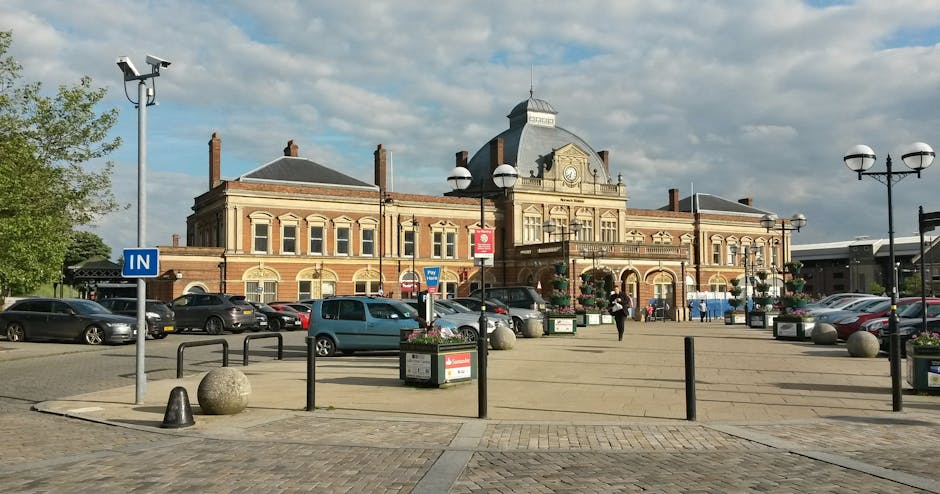
Kingston Station removals access and parking guide
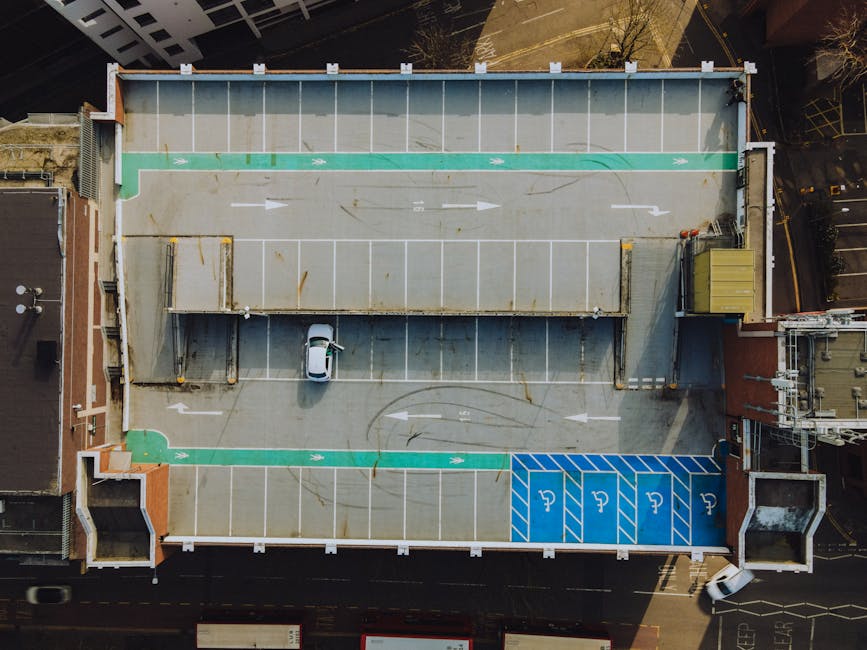
If you are moving near Kingston Station, parking and access can be the bit that turns a straightforward move into a slightly frantic one. Tight roads, time limits, pedestrians, and the simple fact that a removal van is not a small car all matter. This Kingston Station removals access and parking guide brings it down to earth: what to plan for, how to avoid delays, and how to make loading or unloading feel calm instead of chaotic. Whether you are moving a flat, an office, or a single bulky item, a bit of forethought goes a long way.
You will find practical steps, common mistakes, and a few real-world tips that usually get missed. No drama. Just the stuff that helps on moving day.
Why Kingston Station removals access and parking guide Matters
Parking near a station is rarely generous, and Kingston is no exception. Between commuter traffic, busier periods, narrow kerbs, and the ordinary unpredictability of a moving day, a van that cannot stop close enough can waste time fast. That means more carrying, more effort, and more risk of damage to furniture, walls, or someone's back.
Access planning matters for every type of move, but it becomes especially important where there is limited waiting space, shared building entrances, flats above shops, or stepped pathways from the pavement. A sofa might be perfectly easy to move once the van is positioned well. If the van is not positioned well, it suddenly becomes awkward, heavy, and a bit annoying. Let's face it, no one wants to wrestle a wardrobe down a busy street while traffic builds behind them.
Good planning also helps your removal team work safely and efficiently. That is not just about speed. It is about protecting items, reducing strain, and making sure the move starts and ends on a sensible footing. In our experience, the moves that feel smooth usually look boring from the outside. And that is exactly the point.
How Kingston Station removals access and parking guide Works
At a practical level, access planning near Kingston Station is about answering a few simple questions before moving day:
- Where can the vehicle stop without blocking traffic or causing a problem?
- How far is the walk from the vehicle to the property entrance?
- Are there height, width, turning, or time restrictions to think about?
- Will the team need help with lifts, stairs, or narrow hallways?
- Is there a safe place for a van to wait if the loading bay is occupied?
The answers affect the whole move. A smaller vehicle, such as a man and van or man with van service, may be easier where space is tight. Bigger moves may suit a dedicated moving truck or removal truck hire if you need more capacity and a fuller loading plan.
Access also changes depending on what you are moving. A studio flat move with a few boxes and a bed frame is one thing. A family home, or an office relocation with desks, monitors, and filing cabinets, is something else entirely. The vehicle, timing, and unloading strategy should match the load, not the other way around.
Key Benefits and Practical Advantages
Planning parking and access properly gives you more than convenience. It gives you control, which is usually what people really want on moving day.
- Less carrying distance: The closer the van can stop, the less time and effort each item takes.
- Lower risk of damage: Shorter routes mean fewer knocks against doors, rails, and corners.
- Safer lifting: Less walking with heavy boxes reduces the chance of strain.
- Better timing: A smooth loading position helps the job stay on schedule.
- Less stress: You can focus on the move itself instead of moving the van every five minutes.
There is also a commercial benefit. If you are running a business move, delays at the kerb can affect staff, tenants, neighbours, and the rest of the day's schedule. That is why some people pair access planning with commercial moves or office relocation services when moving from or around Kingston Station.
One often overlooked advantage is neighbour relations. A tidy, well-managed move that does not block entrances or sit in the road for ages tends to generate fewer complaints. Simple, but very useful.
Who This Is For and When It Makes Sense
This guide is for anyone moving in the Kingston Station area and wondering how the access part actually works in real life. It is particularly useful if you are:
- moving into or out of a flat near the station
- dealing with limited on-street parking
- arranging a same-day move with a tight timetable
- moving bulky furniture, appliances, or fragile items
- organising a business move with staff arriving and leaving around you
- booking a smaller help package rather than a full-service move
If you are moving a whole house, it may make sense to look at house removalists or a more complete home moves service. If you only need a few items shifted, perhaps after collecting a sofa or mattress, then furniture pick up may be the better fit. Different move, different shape.
It also makes sense if you simply do not want moving day to become a guessing game. Which, to be honest, is sensible. Nobody needs that sort of excitement at 8:00 in the morning.
Step-by-Step Guidance
Here is the clearest way to handle access and parking near Kingston Station without overcomplicating it.
- Check the exact pickup and drop-off points. Do not rely on "near the station" as a plan. Identify the entrance, staircase, and route from vehicle to door.
- Measure the awkward bits. Think about sofa length, wardrobe width, doorway clearance, lift size, and stair turns. A few minutes with a tape measure can save a lot of muttering later.
- Look at vehicle size against the street. If the road is narrow or the space is limited, a smaller vehicle may be easier. For larger loads, plan a realistic stopping point rather than hoping for the best.
- Consider the time of day. Around station areas, morning and late-afternoon traffic can be lively. Midday can be calmer, but every day is different. A move at 7:30 a.m. feels very different from one at 4:30 p.m.
- Decide whether the vehicle can wait safely. If the property has no driveway, loading bay, or private access, you may need a short-term roadside stop that does not block the flow of traffic.
- Prepare the entrance. Clear hallways, protect floors, and keep keys, access codes, and lift arrangements ready. Small thing, big difference.
- Keep essentials separate. Documents, chargers, kettle items, and valuables should not be buried in the back of the van. You will thank yourself later.
- Share access notes with the moving team early. If there is a low arch, a one-way turn, or a narrow rear lane, say so in advance. Teams can only plan with the information they have.
That final point matters more than people think. A driver who arrives expecting open access and finds a tight courtyard has to improvise, and improvising around a moving truck is nobody's favourite hobby.
Expert Tips for Better Results
Here are the practical details that tend to separate a smooth move from a messy one.
- Send photos of the entrance and street. A couple of clear phone photos often tell a team more than a long description.
- Plan for the first and last 10 metres. The hardest part is often not the road itself, but the short stretch between vehicle and doorway.
- Use labels that make sense under pressure. "Kitchen - fragile" beats a box marked only "stuff".
- Keep weather in mind. A wet pavement, a bit of wind, or a dark winter afternoon can slow things down more than expected.
- Allow time for one awkward item. There is usually one thing that refuses to behave: a bed frame, a fridge, a plant pot, something. Build in patience.
If you are arranging packing as well, a service like packing and unpacking services can be genuinely helpful. Proper packing makes access issues less painful because the load is easier to carry, stack, and protect. That is especially true when there are stairs or a long walk from the van.
A small but useful habit: keep the route from property to vehicle as clear as possible before the team arrives. It sounds obvious. Yet somehow a recycling box, a child's bike, and a chair always end up exactly where they are most irritating.
Common Mistakes to Avoid
Most access problems are predictable. That is the good news. The bad news is that they are still easy to miss when you are busy.
- Assuming parking will be available. Near a station, that is a gamble, not a plan.
- Not checking vehicle height or width. Low trees, tight bends, and awkward corners can create problems quickly.
- Forgetting about lift size or stair turns. A bulky sofa that fits in the flat may not fit out of it easily.
- Leaving access details to the day itself. That leads to delays and unnecessary pressure.
- Overfilling boxes. Heavy boxes are slower to move and more likely to split. Not ideal when you are balancing them in the street.
- Ignoring building rules. Flats and managed properties often have their own procedures, and it helps to know them before the van arrives.
For business moves, the most common mistake is underestimating how much access affects the schedule. If you are moving staff equipment or stock, a delay at the kerb can ripple through the rest of the day. That is why it is worth reviewing a broader commercial moves plan rather than treating parking as a side issue.
Another one: not allowing for unloading space. A van can only be loaded efficiently if there is somewhere sensible to place each item as it comes out. Simple, yes. Easy to forget, also yes.
Tools, Resources and Recommendations
You do not need a toolkit fit for a film set. A few sensible items and a decent plan usually do the job.
- Tape measure: useful for doorways, lifts, stair gaps, and furniture dimensions.
- Phone camera: photos of access points are often more useful than written notes.
- Labels and marker pen: helps keep boxes readable when everything is stacked together.
- Protective coverings: floor runners, blankets, and wraps can help where surfaces are tight or delicate.
- Moving straps or dollies: useful for heavier items when access is workable but not generous.
For larger or more awkward moves, it may be worth comparing vehicle options before you book. A smaller move may be well matched to man with van, while a fuller house load might be better suited to removal truck hire. If you need a straightforward quote conversation, the team's pricing and quotes page is the sensible place to start.
There is also the question of sustainability. If a move creates items you no longer want, it can be worth considering how to reuse, recycle, or dispose of them responsibly. That is where a page like recycling and sustainability becomes more than just a nice idea. It helps keep the clear-out side of moving practical too.
Law, Compliance, Standards, or Best Practice
Without getting too legal about it, the main point is this: vehicle parking, loading, and unloading around Kingston Station should be handled carefully and lawfully. Local restrictions, traffic conditions, and building rules may all apply, and it is wise to check them rather than assume a quick stop is fine.
Good practice usually means:
- not blocking access for other vehicles or pedestrians
- keeping entrances and exits usable
- respecting any loading restrictions or time limits that apply
- planning for safe manual handling
- making sure the work area is organised and not cluttered
On the removals side, you should also expect careful handling, sensible insurance arrangements, and clear terms. If you are comparing providers, it is worth reading the company's insurance and safety information and the health and safety policy. If anything ever feels unclear, the terms and conditions should answer the practical bits.
For a bit of transparency around the business itself, you can also look at the company's about us page and, if needed, the contact us page. It is not glamorous, but it does help you feel you are dealing with a real operation rather than a vague promise. And that matters.
Options, Methods, or Comparison Table
Choosing the right moving setup near Kingston Station depends on access, load size, and how much help you want on the day. Here is a simple comparison.
| Option | Best for | Access advantage | Trade-off |
|---|---|---|---|
| Man and van | Smaller moves, single-room loads, quick pickups | Easier to place in tighter streets | Limited capacity for larger households |
| Man with van | Flexible local moves and furniture transport | Useful where parking is tight and loading needs to be quick | May require more trips for larger jobs |
| Moving truck | Full-house or larger mixed loads | Efficient if access is planned properly | Needs more careful parking and road space |
| Removal truck hire | Moves with higher volume or more structured scheduling | Works well when timing and access are clearly mapped out | Less forgiving if access is not checked in advance |
There is no single best answer for every move. If your street is narrow and the property is on the third floor, a smaller vehicle may be the calmer choice. If you are moving a whole family home with multiple rooms of furniture, a larger vehicle is usually more efficient, provided parking is thought through early.
Case Study or Real-World Example
Here is a realistic example. A couple moving from a flat near Kingston Station had booked a morning slot and assumed the van could stop directly outside. On the day, the street was busier than expected, and the nearest space had already been taken. Rather than panic, they used the side road they had already discussed with the moving team and kept the carrying route short. It was not perfect, but it worked.
What made it work was not luck. It was preparation. They had measured the larger furniture pieces, kept the hallway clear, and warned the team about the narrow stair turn at the top. That meant the movers came ready with a sensible plan instead of trying to work it out while the clock was ticking.
The move still felt like a move, of course. Boxes everywhere, kettle hidden until the last minute, someone standing around saying "I'm sure it was in that cupboard". But it stayed manageable. That is usually the goal: not perfection, just a day that does not spiral.
Practical Checklist
Use this before moving day if you want to avoid last-minute surprises.
- Confirm the exact pickup and delivery addresses
- Check the closest legal and practical parking point
- Measure large items and awkward doorways
- Identify stairs, lifts, and tight corners
- Share access notes, photos, and timing details with the moving team
- Keep entrances, hallways, and landings clear
- Separate essentials from the main load
- Review insurance, safety, and terms if you are booking a service
- Plan for weather, traffic, and a small delay buffer
- Make sure you can contact someone on the day if plans need to change
Expert summary: if you only remember one thing, make it this: access is not a small detail. It shapes the whole move. The more clearly you plan where the van stops, how items travel, and who is responsible for what, the easier everything feels. Calm beats rushed every time.
And if you are comparing services, it may help to look at home moves for full household support or furniture pick up for smaller, targeted jobs. Different move, different solution. That part is refreshingly simple.
Conclusion
A good Kingston Station removals access and parking guide is really about reducing friction. Not every street will be generous. Not every loading spot will be perfect. But with the right checks, the right vehicle choice, and a little preparation, you can make the whole process far less stressful than people expect.
The strongest moves are usually the ones where the access plan is boringly clear. Where the van knows where it is going, the team knows what to expect, and you are not forced into guesswork at the kerb. That is what good planning buys you: less rushing, less carrying, fewer awkward surprises, and a day that feels under control.
If you are ready to organise your move with more confidence, take the next sensible step and speak with a team that understands access, timing, and practical moving day details.
Get a free quote today and see how much you can save.
Frequently Asked Questions
Can a removal van park near Kingston Station easily?
Sometimes, but not always. It depends on the exact street, the time of day, nearby traffic, and whether there is a practical loading space. Planning ahead is the safest approach.
What should I check before moving from a flat near the station?
Check the walking distance from vehicle to door, any stairs or lifts, doorway sizes, and whether the street allows short loading stops. A quick photo of the entrance helps a lot.
Is a man and van service suitable for Kingston Station moves?
Yes, often it is. Smaller loads and tighter streets can suit a man and van setup very well, especially if access is limited.
How do I know if I need a larger vehicle?
If you are moving several rooms of furniture, white goods, or a full household, you may need a larger vehicle such as a truck or hired removal vehicle. The main clue is how much can realistically be loaded safely in one trip.
Should I reserve parking in advance?
If your move depends on a very specific spot, it is worth exploring the options available to you in advance. At the very least, have a backup plan for where the vehicle can stop safely nearby.
What if the van cannot stop directly outside my property?
That is common in station areas. The key is to choose the nearest workable spot and keep the route from van to door as clear as possible. Shorter carrying distance is better, but a slightly longer safe route is still fine.
How far in advance should I plan access and parking?
As early as you can. Even a few days of planning helps, and for busier moves it is better still to think through the access details when you book.
Do I need to tell the removals team about stairs and lifts?
Yes. It helps them bring the right equipment and estimate timing properly. A narrow staircase or a small lift can change the whole plan, honestly.
What happens if it rains on moving day?
Then the ground may be slick and loading can take a little longer. Keep paths clear, protect floors, and try to have items ready before the team starts moving them out.
Can this guide help with office relocations too?
Absolutely. Access and parking are just as important for business moves, especially where staff, deliveries, or neighbours are affected by timing. For those moves, office relocation services and broader commercial moves planning are worth considering.
What should I do with items I no longer want?
Sort them before moving day if you can. If you want to dispose of or reduce waste responsibly, look at options that support reuse and recycling, rather than leaving it all until the last minute.
How do I compare removal service options?
Look at the size of your load, the complexity of access, the level of support you need, and whether you want help with packing as well. A move near Kingston Station is usually easier when the service matches the access reality, not just the item count.