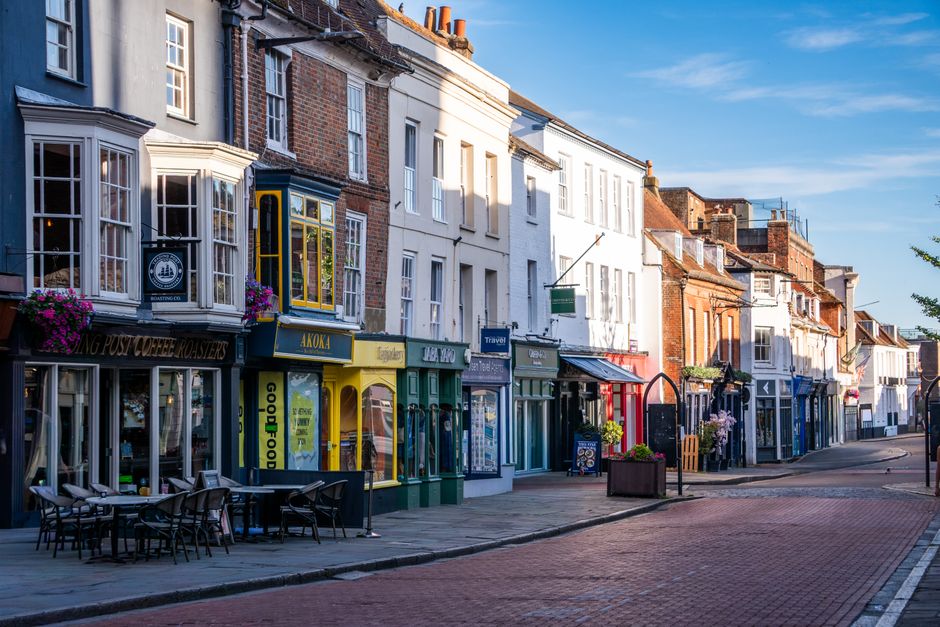
Clarence Street removals narrow street solutions Kingston KT1: a practical guide for tight-access moves
Moving on Clarence Street in Kingston can feel simple on a map and awkward in real life. Narrow carriageways, parked cars, tight corners, shared access, and limited loading space all change the way a move needs to be planned. If you are looking for Clarence Street removals narrow street solutions Kingston KT1, the real aim is not just getting boxes from one place to another. It is getting them moved safely, efficiently, and without turning a tricky street into a stressful day.
That is where good planning makes a visible difference. The right setup can mean fewer delays, less carrying distance, fewer chances of damage, and a calmer move overall. In our experience, people often underestimate how much a narrow street affects timing. Then moving day arrives, a van blocks the wrong spot, and everyone starts improvising. Not ideal, to be fair.
This guide explains how narrow-street removals work, what makes Clarence Street different, which methods are best suited to tight access, and how to avoid the common mistakes that cost time and patience. You will also find a checklist, a comparison table, and practical FAQs to help you make a sensible decision.
Why Clarence Street removals narrow street solutions Kingston KT1 Matters
Narrow streets change the logic of a move. On a wider road, a removal team can usually park close, unload steadily, and keep the whole operation compact. On a tighter street like Clarence Street, that same approach can quickly become clumsy. Vehicles may need to stop further away. Pedestrian space may need to be preserved. And if another car appears at the wrong moment, the whole rhythm can stall.
That matters because removals are already a day of lifted furniture, careful packing, and a lot of moving parts. Add awkward access and the risk goes up: more handling, more lifting, and more chances for dings on door frames, banisters, or the furniture itself. The solution is not brute force. It is smarter sequencing.
For Kingston KT1 residents, narrow-street planning is especially useful where properties are near busy local routes, older terraces, flats with shared access, or streets where parking is scarce. Even a straightforward one-bedroom move can need more thought than people expect. The street is part of the job, not just the background.
A good narrow-street removal plan will usually account for:
- the size and turning circle of the vehicle
- how close the van can realistically get to the door
- whether items must be carried by hand for a longer distance
- the time of day and local traffic patterns
- where temporary loading space may be available
- how to keep neighbours, pedestrians, and other road users safe
So when people search for narrow street solutions in Kingston, they are really asking a practical question: how do I move with the least friction possible? That is the right question. A good move starts there.
How Clarence Street removals narrow street solutions Kingston KT1 Works
The process is usually much less dramatic than people imagine. It begins with access planning. A mover will want to understand the property layout, the width of the street, where vehicles can stop, and whether larger vehicles can turn or need to approach from a particular direction. It sounds basic, but those small details decide whether the day runs smoothly or feels like a puzzle with missing pieces.
For a narrow street, removals often rely on one of three approaches:
- Compact vehicle access for streets where a smaller van is easier to position.
- Shuttle loading, where items are carried between the property and a vehicle parked a little further away.
- Layered loading, where lighter and more frequently needed items are moved first, followed by bulkier furniture in a planned sequence.
Sometimes a move is handled with a man and van arrangement when the job is relatively small or access is especially tight. For larger homes, a full team may be better, especially if the furniture is heavy, the stairs are awkward, or the deadline is tight. A bigger move may also need a moving truck or removal truck hire if the volume justifies it.
Preparation usually includes protecting entrances, disassembling larger items where sensible, and deciding what should be loaded first. If the street is narrow and the property is cramped inside as well, a little organisation goes a long way. Honestly, a well-labelled box and a sensible order of loading can save a surprising amount of time.
For homes with more complex access, services such as home moves and house removalists are often more suitable because the move can be planned around the whole property, not just the van. If packing is still underway, packing and unpacking services can make the day far less chaotic.
The key point is this: narrow street removals work best when the vehicle, the team size, and the sequence of tasks are matched to the access problem rather than treated as an afterthought.
Key Benefits and Practical Advantages
Done properly, narrow street solutions are not just about convenience. They change the whole feel of the move.
1. Less strain and less carrying distance
When access is planned well, the team spends less time walking long distances with heavy items. That reduces fatigue and helps protect sofas, wardrobes, and boxed belongings from accidental knocks.
2. Better timing
Tight streets can create bottlenecks. A smart plan reduces waiting, reduces backtracking, and keeps the move moving. A slow move is fine if it is slow on purpose. It is not fine if it is slow because no one can get the van into place.
3. Lower risk of damage
Narrow hallways, railings, and parked cars are all hazards. The right approach keeps large items under control and avoids rushed lifting. That can matter even more in older Kingston properties where doors and stairs are a bit unforgiving.
4. Less disruption to neighbours
People on a narrow street notice loading activity quickly. A tidy, time-efficient move is simply more considerate. Nobody enjoys being trapped behind a poorly parked van while someone searches for a trolley wheel, let's face it.
5. More predictable costs
When access is clear in advance, quotes tend to be more realistic. Surprises are what increase cost. Clarity helps everyone.
There is also peace of mind. That may sound vague, but it is real. Knowing the move has been thought through makes a huge difference on the morning itself. You can focus on the next task rather than worrying whether the van will fit.
Who This Is For and When It Makes Sense
Clarence Street narrow street solutions are relevant whenever access is difficult, but they are especially useful for:
- flat moves with limited nearby parking
- terraced homes where the front door opens close to the kerb
- moves involving larger furniture or awkward items
- families relocating with children, pets, or lots of household contents
- tenants needing a same-day handover with a strict time window
- small businesses moving equipment from a constrained street location
It also makes sense if you already know the area has tight access during school runs, delivery windows, or commuter hours. Kingston traffic can be lively enough on a normal day. On moving day, that liveliness becomes a factor you want to respect.
If you are moving a few boxes and a couple of pieces of furniture, a simple man with van style service may be enough. If you are moving a whole home, the more structured approach of a larger removal team is usually safer and calmer.
Commercial clients should think a little differently again. Equipment, files, and office furniture can be time-sensitive and sensitive to handling. In that case, commercial moves or office relocation services may be more appropriate, particularly if access has to be carefully scheduled around business hours.
The bottom line? If the street, the furniture, or the time pressure feels awkward, it is probably worth treating the move as a specialist access job rather than a standard van run.
Step-by-Step Guidance
Here is a practical way to organise a narrow-street move without overcomplicating it.
- Measure the access points. Check the doorways, stair turns, hallway width, and the street outside. A few measurements can prevent a lot of guesswork later.
- Identify the largest items first. Sofas, beds, wardrobes, and appliances determine how the rest of the move needs to be planned.
- Decide where the vehicle can stop. If the van cannot park directly outside, work out the next best place and the walking route from there.
- Separate essentials from non-essentials. Keep documents, chargers, toiletries, and one-day items apart so they do not disappear into the load.
- Book the right vehicle size. Too small and you create extra trips; too large and you risk access problems. The sweet spot matters.
- Protect the property. Use covers, blankets, and floor protection where needed. It is a small detail that saves a big headache.
- Load in a deliberate order. Heavy and stable items go in first, lighter and fragile items are secured properly, and anything needed early is kept accessible.
- Keep the timing realistic. Narrow streets often take longer than wider ones. Build that in from the start.
One useful trick is to walk the route from the van to the front door before loading starts. It sounds almost too simple, but in practice it shows up little issues fast: a gate that sticks, a low wall, a patch of uneven pavement, a neighbour's bin in the way. Small things, big difference.
If you are comparing service options, it can help to review pricing and quotes early, especially where access is uncertain. Quotes are easier to understand when the provider knows the real access conditions rather than the optimistic version.
Expert Tips for Better Results
There are a few habits that consistently improve narrow-street removals. None of them are fancy. They just work.
Choose timing with care. Early morning can be calmer, while school-run windows or peak traffic periods can make things feel much tighter. If the street is busy, a quieter slot can save a lot of stress.
Keep the loading point clear. Ask household members, neighbours, or building management not to block the immediate access area if it can be helped. A van needs room to breathe. So do the people moving the furniture.
Use the right kind of team. A small move might suit a compact crew, but heavier items or poor stairs benefit from more hands. Trying to save money by under-booking help often backfires. Not always, but enough to matter.
Label by destination, not just by room. If the van cannot sit right outside the building, you want boxes grouped in a way that speeds unloading at the other end. That is especially handy for a move with staggered access.
Don't assume the biggest vehicle is the best vehicle. In tight Kingston streets, a slightly smaller van can often outperform a larger one simply because it can position more easily. Bigger is not automatically smarter.
Confirm safety and insurance details. If items are valuable, delicate, or hard to replace, make sure the mover's approach to handling and cover is clear. You do not want uncertainty on this point.
And a tiny human one: keep a box of tea bags and a kettle set aside if you can. At about 3 p.m., when the place looks half empty and everyone is a bit dusty, a proper cup of tea can feel like a miracle. Very British, but there we are.
Common Mistakes to Avoid
Narrow street moves can go wrong in familiar ways. Most are preventable.
- Not checking access in person. A photo is useful. Standing on the street is better.
- Booking the wrong vehicle size. Too big creates access problems; too small creates repeated trips.
- Leaving packing too late. Last-minute packing on a tight street move usually adds stress and confusion.
- Ignoring the route from van to door. If there are steps, slopes, or narrow gates, those details matter.
- Assuming parking will sort itself out. Sometimes it does. Often it does not.
- Forgetting about neighbours and shared access. A little courtesy can avoid friction and delays.
- Not separating delicate items. Fragile belongings need more thought when they are being carried further.
A common one is underestimating how many small trips are created by poor access. A move that looks quick on paper can become a slow relay if the van cannot park sensibly. That is why the planning stage matters so much. It is not admin for admin's sake.
Tools, Resources and Recommendations
You do not need specialist equipment for every move, but the right kit helps. The most useful items for a narrow-street removal usually include:
- removal blankets and furniture covers
- sturdy boxes in similar sizes for easier stacking
- tape, labels, and marker pens
- trolley or sack truck where appropriate
- protective floor runners or cardboard for hallways
- tool kit for dismantling beds or tables
- spare bags for screws, fittings, and small loose parts
For households that need a little extra help with sorting or fragile packing, packing and unpacking services can reduce the risk of breakage and make the move easier to manage. If you only have a modest load, a man and van service may still be the most practical fit.
If you are shifting a lot of furniture, a dedicated load plan is more useful than simply piling things in. In some cases, furniture pick up can also be relevant if you are clearing out bulky pieces before or after the main move. That keeps the job cleaner and avoids clutter building up in the property.
For businesses, the same principle applies. Office desks, monitors, filing units, and archive boxes all benefit from structured handling. If you need a more coordinated service, commercial moves are worth considering because they are designed for exactly that kind of detail-heavy relocation.
One recommendation that is easy to overlook: make a quick "first hour" box. Kettle, mugs, phone chargers, snacks, basic tools, bin bags, and a couple of cloths. It sounds plain, but it turns the arrival at the new place into something manageable instead of a scavenger hunt.
Law, Compliance, Standards, or Best Practice
For narrow-street removals, the important point is not to turn legal detail into noise. The practical side is what matters most. Still, there are a few standards and expectations worth keeping in mind.
Removal work should be carried out with reasonable care for property, people, and the road environment. That means avoiding unsafe obstruction, lifting items responsibly, and planning vehicle positioning so the move does not create unnecessary risk. If a street is very tight, the mover should think about pedestrians, doorways, and any shared access points before work begins.
Best practice also includes clear communication about timing, vehicle size, access limitations, and any items that are unusually heavy or fragile. Where a property has unusual features, it is sensible to be cautious rather than optimistic. That sounds obvious, but optimism has caused more than a few moving-day problems.
It is also good practice to check insurance and handling arrangements in advance. If you want to understand the company's approach to cover and careful handling, the insurance and safety information is a helpful place to look. For customers who value transparency around service terms, the terms and conditions and payment and security pages are also worth reviewing.
From a sustainability angle, it is sensible to reduce wasted trips and avoid unnecessary disposal. If you are clearing out items as part of the move, recycling and sustainability guidance can support a more responsible approach. That is increasingly the expectation, and fairly so.
Lastly, if you have any questions about how the business operates or what standards it follows, the about us page can help build confidence before you book. Trust is not a slogan. It is clarity, consistency, and decent communication.
Options, Methods, or Comparison Table
Not every narrow street move needs the same setup. The best choice depends on how much you are moving, how tight the access is, and how much help you want on the day.
| Method | Best for | Strengths | Watch-outs |
|---|---|---|---|
| Man and van | Small moves, single items, lighter loads | Flexible, compact, often easier on narrow roads | May not suit heavy furniture or bigger homes |
| Man with van | Simple local moves with modest volume | Efficient for short-distance access issues | Check lifting support if items are bulky |
| Home move team | Full-house relocations | More structured loading and handling | Needs accurate access planning to avoid delays |
| Commercial move service | Offices and business premises | Good for equipment, files, and time-sensitive moves | May require more detailed scheduling |
| Truck hire | Larger moves with significant volume | Useful when you need capacity and structure | Can be harder to place on a tight street |
As a rule of thumb, the tighter the street, the more useful compact, well-planned logistics become. The largest vehicle is not always the best answer. Sometimes the best answer is the one that fits without drama.
Case Study or Real-World Example
Imagine a couple moving from a first-floor flat on a narrow Kingston street. They have a sofa, a bed frame, two wardrobes, several boxes of books, and a few awkward lamps. The street outside is busy enough that a van cannot simply sit in front of the property all morning.
A sensible plan would start with a quick access check the day before. The team would identify where a van can stop without blocking too much of the road, then decide whether a smaller vehicle or a shuttle-style load would work best. The wardrobe could be dismantled in advance, the sofa wrapped, and boxes grouped by priority. Essentials would be kept separate so the couple can find them quickly at the new place.
On moving day, the team would prioritise the heaviest items while the route to the van is clear. If a neighbour's car is parked in a way that narrows the gap, the movers do not improvise wildly; they adjust the sequence, keep the line of travel safe, and avoid forcing oversized items through a bad angle. That is the real difference between an organised move and a rushed one.
The result? Fewer surprises, less strain, and no one standing in the doorway wondering where to put the lamp while the kettle has already gone. A modest, ordinary move - but much easier because the access problem was treated properly.
Practical Checklist
Use this before the move begins. It keeps the day tidy.
- Measure the narrowest parts of the access route.
- Confirm where the vehicle can stop safely.
- Identify the largest, heaviest, and most fragile items.
- Decide whether you need a compact van, a larger truck, or a full removal team.
- Pack essentials separately.
- Label boxes clearly by room and priority.
- Protect floors, corners, and door frames.
- Check whether furniture needs dismantling.
- Review timing to avoid busy periods where possible.
- Keep insurance and payment details clear before moving day.
- Have a small first-night box ready.
- Leave a little extra time. Narrow streets nearly always take a bit longer.
Expert summary: If the access is awkward, the best move is usually the one that simplifies the route, reduces lifting, and keeps the vehicle choice realistic. Planning beats improvisation every time. Every time.
Get a free quote today and see how much you can save.
Conclusion
Clarence Street removals narrow street solutions Kingston KT1 are about more than fitting a van into a tight space. They are about making the whole move more orderly, more considerate, and less physically demanding. With the right vehicle, the right plan, and the right level of support, even a cramped street can be handled in a calm, professional way.
If you are weighing up options, start with the access question. How far is the carry? Where can the vehicle stop? What is the heaviest item? Those answers usually point you towards the right service much faster than guesswork does.
And if the move feels a bit fiddly, that is perfectly normal. The awkward ones are often the ones that benefit most from proper preparation. A clear plan now makes for a much easier morning later, and that's worth a lot.
Frequently Asked Questions
What are Clarence Street removals narrow street solutions Kingston KT1?
They are removal methods designed for properties on tight or access-restricted streets in Kingston KT1. The aim is to make loading, carrying, and parking safer and more efficient when standard van access is awkward.
Do I need a small van for a narrow street move?
Not always. A smaller van can help, but the right choice depends on the amount you are moving and whether items can be loaded safely. Sometimes a larger vehicle parked further away works better than a tiny one that needs too many trips.
How do movers deal with limited parking on Clarence Street?
They usually plan the stop point in advance, choose the best vehicle size, and may use a shuttle approach if direct access is not possible. Good timing and clear communication make a big difference here.
Is a man and van service suitable for narrow streets?
Yes, often it is. A man and van setup can be very practical for smaller moves or single items where access is the main challenge. It is especially useful when flexibility matters more than capacity.
What should I pack separately for a tight-access move?
Keep essentials, valuables, medicines, chargers, documents, and first-night items separate. That way, if unloading takes a little longer than expected, you still have what you need close to hand.
How far in advance should I book a narrow street removal?
As early as possible, especially if you need a specific time slot or if parking and access are likely to be tricky. Early booking gives the team more room to plan properly and avoids rushed decisions.
Will a narrow street move cost more?
It can, depending on how much extra time, labour, or vehicle coordination is needed. The fairest approach is usually to request a quote based on the real access conditions rather than assuming a standard setup will fit.
Can furniture be dismantled to help with access?
Yes, and in many cases that is the smart move. Beds, wardrobes, and large tables often become much easier to handle once they are broken down into manageable parts.
What if my property has stairs as well as a narrow street?
Then the move needs more careful planning. Stairs plus tight street access usually mean extra time, more protection, and possibly a larger team. It is better to plan for that than discover it halfway through the day.
Are office moves possible on a narrow Kingston street?
Absolutely, but they need structured planning. If you are moving equipment, furniture, or files from a difficult-access location, office relocation services can be a better fit than a simple van hire.
How can I reduce stress on moving day?
Pack early, label clearly, protect the property, and make sure the vehicle plan suits the street. A simple checklist helps more than people expect. It sounds boring, but boring can be brilliant on moving day.
Where can I find more details about booking and payment?
You can review pricing and quotes alongside payment and security information so you know what to expect before confirming anything. That kind of clarity is always reassuring.
How do I know whether I need full removal help or just a van?
Look at the size of the load, the heaviness of the furniture, and the difficulty of the access. If you are unsure, it is usually sensible to discuss the job with a team that handles home moves and related access issues regularly.
What should I do if I want to reduce waste during the move?
Sort out items you no longer need before moving day, and consider responsible disposal or reuse where possible. The recycling and sustainability approach is a good place to start if you want the move to be cleaner and less wasteful.