Avoiding Kingston Council Fines When Disposing Bulky Waste
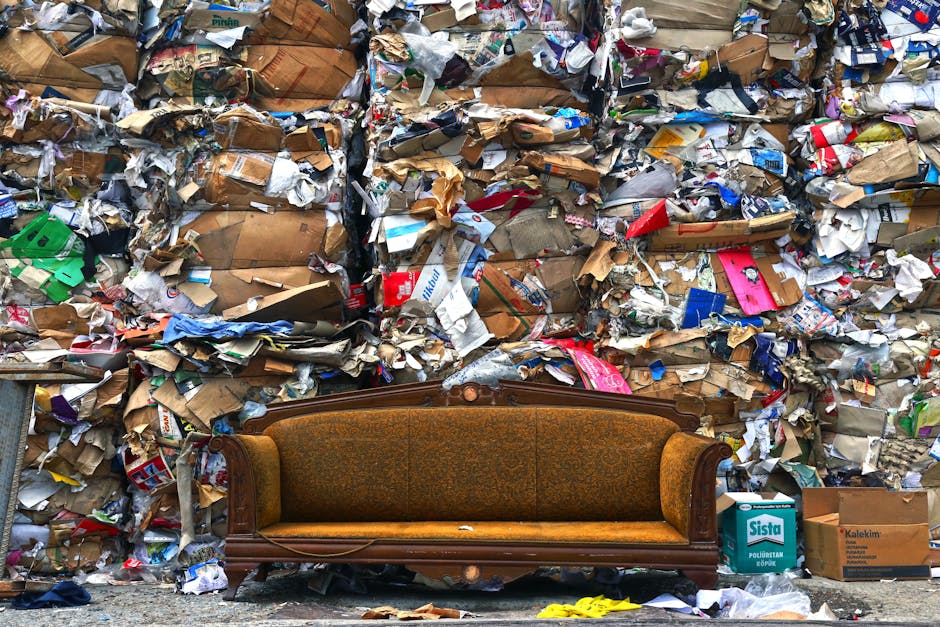
Bulky waste has a habit of turning up at the worst possible time. The sofa won't fit through the hallway, the broken wardrobe is leaning in the spare room, and the garden shed has somehow become a dumping ground for everything you meant to sort "next weekend". If you live or work in Kingston, avoiding Kingston Council fines when disposing bulky waste is really about one thing: making sure unwanted items are handled legally, responsibly, and without ending up on the wrong side of a penalty notice.
The good news? It's usually not complicated once you know the rules of the road. In practice, the biggest problems come from small mistakes: leaving items beside a full bin, using an unlicensed collector, or assuming someone else will sort the paperwork. This guide walks you through what counts as bulky waste, where the risks usually come from, and how to choose a sensible disposal route that keeps you safe, compliant, and calm.
Along the way, we'll cover practical steps, common traps, and a few real-world checks that can save you time and grief. And if you want a broader removals service that keeps the whole process tidy, you can also explore furniture pick-up in Kingston, man and van services, or the company's recycling and sustainability approach for a cleaner handover.
Table of Contents
- Why Avoiding Kingston Council Fines When Disposing Bulky Waste Matters
- How Avoiding Kingston Council Fines When Disposing Bulky Waste Works
- Key Benefits and Practical Advantages
- Who This Is For and When It Makes Sense
- Step-by-Step Guidance
- Expert Tips for Better Results
- Common Mistakes to Avoid
- Tools, Resources and Recommendations
- Law, Compliance, Standards, or Best Practice
- Options, Methods, or Comparison Table
- Case Study or Real-World Example
- Practical Checklist
- Conclusion
- Frequently Asked Questions
Why Avoiding Kingston Council Fines When Disposing Bulky Waste Matters
Bulky waste is one of those topics people tend to underestimate. A mattress, wardrobe, broken desk, old fridge, or a few bags of renovation leftovers can look harmless sitting in a hallway or by a front wall. But once it's placed in the wrong spot, handled by the wrong person, or left out in a way that invites fly-tipping, the issue becomes much bigger than a tidy-up job.
For Kingston residents, the main risk is simple: incorrect disposal can lead to enforcement action, extra charges, or being forced to pay twice-once for getting rid of the item badly, and again to put it right. Nobody wants that. Not when there are clean, lawful ways to deal with bulky items from the start.
There's also a practical side to this. Council rules, private waste collections, and household recycling centre requirements can feel slightly fiddly at first. Yet once you understand the basics, you can make sensible decisions quickly. That matters if you're moving home, clearing a flat, dealing with a bereavement, or trying to empty a property after a tenancy ends. These are often stressful moments already. The last thing you need is a fine because a sofa was left in the wrong place on a damp Thursday evening.
Expert summary: The safest approach is to treat bulky waste like any other regulated disposal task: check what you have, choose a legitimate route, keep records where possible, and never hand items to anyone who can't clearly explain where they will end up.
If you are clearing a property as part of a move, it can help to pair waste removal with a wider moving plan. Services such as home moves and house removalists can reduce the chaos, especially when there's furniture, packing debris, and old appliances all leaving at once.
How Avoiding Kingston Council Fines When Disposing Bulky Waste Works
At its core, avoiding penalties is about proving that your bulky waste has been disposed of responsibly and in line with local expectations. In plain English, that usually means one of three things: use the council's collection route if it's available and suitable, use a reputable licensed waste carrier, or take items yourself to an approved facility where permitted.
The details matter. For example, some items need special handling because they contain electrical components, refrigerants, sharp edges, or potentially hazardous materials. A broken chest of drawers is one thing; an old freezer or office printer is another. The more mixed the load, the more careful you need to be. To be fair, that's where people often get caught out-they're trying to be efficient, but they skip a couple of basic checks and end up creating a problem for themselves.
It also helps to understand the difference between disposal, collection, and fly-tipping. Disposal is the lawful end process. Collection is the service you arrange. Fly-tipping is unlawful dumping-whether that's on a verge, near a communal bin area, on private land without permission, or in a place where the waste can be linked back to you. If you're not certain, ask questions before the collection happens. A proper provider should be able to explain what they take, where it goes, and how they handle sorting and recycling.
When a load includes furniture, mixed household items, or a few awkward pieces, a flexible service like man with van support or removal truck hire may be more practical than trying to fit everything into a standard car run. That can also reduce the temptation to leave items at the kerb "just for a bit", which is exactly the sort of thing that causes trouble.
Key Benefits and Practical Advantages
Keeping bulky waste disposal compliant is not just about avoiding a penalty. It has a few solid day-to-day benefits too.
- Less risk of fines or enforcement letters: A compliant disposal trail gives you peace of mind if questions come up later.
- Cleaner streets and shared spaces: Especially useful in terraces, flats, and managed buildings where one misplaced item can become everyone's problem.
- Better recycling outcomes: Many bulky items can be separated for reuse or recycling instead of being treated as one mixed load.
- Less stress during moving day: When items are scheduled properly, the hallway doesn't turn into a blockade at 8am.
- Fewer disputes with landlords, neighbours, or managing agents: Handy if you're moving out and need to show you cleared things correctly.
There's also a hidden advantage: good disposal habits tend to save time. Once you know which items need special handling and which service fits the job, the decision-making becomes quicker. You're not standing in the kitchen wondering whether the old sofa, lamp, and broken office chair can all go together. You already know the answer-or at least the right question to ask.
For businesses, the practical upside is even bigger. A cluttered office can disrupt work, create trip hazards, and make handovers awkward. If you're dealing with a workplace clear-out, it may make sense to look at commercial moves or office relocation services so waste removal and relocation are handled in a coordinated way rather than as separate headaches.
Who This Is For and When It Makes Sense
This topic matters to quite a few people, not just homeowners. In real life, bulky waste turns up in almost every kind of property and project.
You may need a compliant disposal plan if you are:
- moving house and getting rid of old furniture
- clearing out a flat after a tenancy ends
- replacing broken appliances or worn-out office furniture
- emptying a loft, garage, shed, or storage room
- dealing with renovation offcuts or packaging
- helping a relative downsize
- preparing a property for sale or rent
It also makes sense for people who simply don't want to take risks. Maybe you could load everything into a van yourself, but you are unsure whether the items count as household waste, electrical waste, or something more awkward. Maybe you have a dodgy filing cabinet and an old mattress that has seen better days. Or maybe you just don't fancy a trip to the tip after a long week. Fair enough.
For smaller jobs, a straightforward pickup may be enough. For bigger or more delicate clearances, a broader moving service can save a lot of running around. If you're still weighing up options, the company's pricing and quotes page can help you compare the likely shape of the job before you commit.
Step-by-Step Guidance
Here's a practical way to deal with bulky waste without creating unnecessary risk. Nothing fancy. Just a solid process that works.
- List the items clearly. Write down what needs removing. Include dimensions if the item is large or awkward. Note anything electrical, heavy, sharp, or damp.
- Separate reusable from non-reusable items. A table with a wobbly leg may still be reusable. A water-damaged mattress probably isn't. That distinction matters.
- Check whether any item needs special handling. Fridges, freezers, televisions, monitors, batteries, paint, and similar items often need more care than regular furniture.
- Decide on the disposal route. Council collection, licensed waste carrier, or approved facility. Choose the route that fits the load and your timetable.
- Ask for clarity before booking. Confirm what is included, whether lifting is covered, and what happens to recyclable items.
- Keep records. Save quotes, receipts, messages, and booking confirmations. If there is ever a question, you'll be glad you did.
- Prepare the items safely. Remove loose contents, tape doors shut if needed, and make the area accessible. A narrow stairwell and a bulky wardrobe is a classic awkward combo.
- Check the collection point. Items should be collected from the agreed location and not left on public land unless that is explicitly part of the service and authorised.
- Follow up if anything looks off. If a provider seems vague about disposal, recycling, or licensing, stop and verify before the collection happens.
A useful rule of thumb: if you would be uncomfortable explaining the disposal arrangement to a landlord, neighbour, or council officer, the arrangement probably needs a second look.
Expert Tips for Better Results
After handling a lot of clear-outs and moving jobs, a few patterns become obvious. The people who avoid problems tend to do the small things well.
- Take photos before collection. Useful for rental returns, shared-property disputes, or simply keeping a record of what was removed.
- Don't mix questionable items with ordinary rubbish. If one item is electronic or potentially hazardous, separate it first.
- Use a provider that talks about recycling properly. Good operators usually explain sorting, reuse, and responsible disposal in plain language.
- Ask about access before the day. Parking, stairs, lift size, and loading access can change the whole plan.
- Plan bulky waste removal before move-out day. Leaving it to the last hour is how stress gets expensive. We've all seen that one hallway packed to the ceiling. Not ideal.
- Be cautious with "too cheap" offers. If a quote seems unusually low and no one can explain what happens to the waste, that's a red flag.
A small practical observation: most bulky waste jobs run more smoothly in daylight, when access is easier and there is less pressure to rush. A morning slot can be a lot calmer than a late evening scramble with the light fading and the neighbours trying to get past. Little things, but they add up.
Common Mistakes to Avoid
This is where people usually slip. Not because they're careless, just because they are busy.
1. Leaving items outside without permission
Placing a sofa, bed frame, or appliance by the roadside and hoping it will disappear is a gamble. If it is not collected promptly or is not part of an approved arrangement, it can become an enforcement issue very quickly.
2. Using an unlicensed collector
If someone offers to "take it away" with no paperwork, no clear destination, and no way to verify their service, think twice. This is one of the biggest avoidable risks.
3. Assuming every item can go together
Mixed loads are convenient, but not every load should be handled in the same way. Electrical items, refrigerants, and bulky furniture often need different processing.
4. Forgetting access restrictions
In Kingston's flats and terraced streets, access can be tight. A van might park legally one minute and block a dropped kerb the next. That kind of thing matters.
5. Not checking the final handover point
Ask where the waste is going, at least in broad terms. A reputable provider should be able to explain the pathway without sounding evasive. If they dodge the question, that's not ideal.
Truth be told, many fines and disputes start with a tiny assumption: "It'll be fine." Sometimes it is. Often it isn't.
Tools, Resources and Recommendations
You do not need a complicated toolkit to dispose of bulky waste properly, but a few simple resources make the job much easier.
- A measuring tape: Useful for checking whether a wardrobe, sofa, or mattress will fit through doors, lifts, or stairwells.
- Marker labels or masking tape: Helps separate items that are going for reuse, recycling, or disposal.
- Phone camera: Handy for documenting item condition before removal.
- Gloves and basic protective gear: Especially sensible if you're moving broken furniture, dusty items, or sharp-edged materials.
- Booking confirmation and receipts: Keep them somewhere easy to find.
For readers who want to compare service levels, it helps to think in terms of control, speed, and peace of mind. If you want a more hands-off approach, the team's packing and unpacking services can support a bigger move where waste, packing debris, and furniture all need coordinated handling. If your main priority is safe transport, moving truck options may be worth a look. And if you're just checking who you're dealing with, the about us page is a sensible place to start.
On the trust side, it is also worth reviewing practical policy pages like insurance and safety and health and safety policy. They won't remove the rubbish for you, obviously, but they do help you judge whether the service is set up properly.
Law, Compliance, Standards, or Best Practice
Without getting too legalistic, the main principle is straightforward: waste should be handled by someone authorised to carry it, and it should end up at an appropriate facility or in a legitimate reuse/recycling pathway. If you arrange the removal yourself, you still carry some responsibility for who takes it and whether the disposal route is legitimate. That's the bit people sometimes miss.
Best practice in the UK generally includes:
- using a reputable waste carrier or collection service
- keeping evidence of collection and payment
- separating reusable, recyclable, and non-recyclable items where practical
- treating electrical items and bulky appliances with extra care
- making sure waste is not left where it could be treated as fly-tipped
For businesses, the expectations are usually stricter in practice because of the volume, the duty of care around waste handling, and the need to protect staff and visitors. That's one reason commercial clients often prefer a planned, documented service rather than a quick one-off pickup. It just makes sense.
Another simple but useful point: if a provider makes environmental claims, recycling promises, or safety assurances, those should feel clear and believable. You do not need glossy language. You need straightforward answers. The company's modern slavery statement and terms and conditions can also give you a better sense of how seriously a provider treats compliance and process.
Options, Methods, or Comparison Table
There is no single "best" way to get rid of bulky waste. The right method depends on how much you have, how urgent it is, and whether any items need special handling.
| Method | Best for | Pros | Things to watch |
|---|---|---|---|
| Council bulky waste collection | Simple household items, planned clear-outs | Convenient, familiar, straightforward for many residents | May have booking rules, item limits, and waiting times |
| Licensed private collection | Mixed loads, larger volumes, time-sensitive removals | Flexible, often quicker, can handle awkward access | Need to verify legitimacy and disposal route |
| Self-transport to an approved site | Smaller loads, people with suitable vehicles | Direct control, potential cost savings | Heavy lifting, vehicle suitability, site rules, time commitment |
| Part of a wider move or clearance service | House moves, office moves, end-of-tenancy clearances | Less hassle, better coordination, one team handling the lot | Needs a little planning and clear scope |
If you are leaning toward a managed service, it can be worth asking for a quote that separates removal, loading, and disposal so you can see exactly what you are paying for. The company's pricing and quotes page is useful for that kind of comparison.
Case Study or Real-World Example
Here's a realistic example from a typical Kingston flat clear-out.
A tenant is moving out of a two-bedroom flat and has a battered sofa, a broken desk chair, an old chest of drawers, and a dead washing machine. The hallway is narrow, the lift is small, and the letting agent wants the flat empty by Friday afternoon. A rushed approach would be to leave the items near the bin area and hope they disappear. That is exactly the kind of choice that can lead to complaints or fines.
Instead, the tenant takes photos, lists the items, checks access, and books a collection with a provider that can handle bulky furniture and appliance removal together. The washing machine is dealt with carefully, the sofa is removed without damaging the stairwell wall, and the disposal receipt is kept with the move-out paperwork. The flat is handed back cleanly. No drama. No awkward follow-up emails. Just done.
That example sounds simple, but it shows the difference planning makes. Not perfect planning, just enough. In these jobs, "good enough and documented" is often better than "quick and hopeful".
Practical Checklist
Use this checklist before you dispose of bulky waste in Kingston:
- Identify every item that needs removing
- Check whether anything is electrical, hazardous, or unusually heavy
- Measure large items against doors, stairs, lifts, and access points
- Decide whether items can be reused or recycled
- Choose a lawful disposal route
- Ask for written confirmation or a booking reference
- Save receipts and messages
- Keep items on private property until collection, unless told otherwise
- Make access clear and safe for the collection team
- Follow up if anything about the service seems unclear
Quick reminder: if you're in doubt, slow down and ask. That tiny pause can save you a lot of hassle later.
Conclusion
Avoiding Kingston Council fines when disposing bulky waste is really about making a few sensible decisions early. Know what you have, choose the right route, keep a record, and do not hand your rubbish to someone who can't explain what happens next. Simple as that, though not always easy when you're in the middle of a move or a rushed clear-out.
The best results usually come from a calm, practical plan rather than a last-minute scramble. Whether you are clearing one sofa or an entire roomful of old furniture, a little structure goes a long way. And if you want a service that can help with both movement and disposal, it's worth looking at providers that combine local know-how with solid safety and recycling practices.
For readers who want to go one step further, it also helps to review contact details, payment and security information, and the company's complaints procedure before booking. That kind of transparency is reassuring, and honestly, it should be. Nobody likes surprises when bulky waste is involved.
Get a free quote today and see how much you can save.
Do it properly, and the whole thing becomes much lighter on your shoulders. Which is usually the point, really.
Frequently Asked Questions
What counts as bulky waste in Kingston?
Bulky waste usually means large household items that are too big for normal bin collection, such as sofas, mattresses, wardrobes, tables, appliances, and similar pieces. The exact handling can vary depending on the item and the disposal route.
Can I leave bulky items outside for collection?
Only if you have arranged a legitimate collection and been told to do so. Leaving items outside without permission can create a fly-tipping risk or lead to enforcement issues.
How do I avoid a fine when getting rid of old furniture?
Use a lawful collection route, keep proof of booking or payment, and make sure the provider is reputable. If you are unsure who will take the furniture or where it will go, ask before handing it over.
Do I need a licensed waste carrier?
In many cases, yes. If someone is taking waste away on your behalf, it is sensible to check that they are authorised and can explain how the waste will be managed. That is one of the easiest ways to reduce risk.
What if I have a mix of furniture and electrical items?
Mixed loads are common, but electrical items may need separate handling. Fridges, freezers, TVs, and monitors in particular should be treated carefully, so mention them when booking the collection.
Is council bulky waste collection always the cheapest option?
Not always. It can be cost-effective for simple jobs, but if you have several items, awkward access, or urgent timing, a private service may be better value overall once convenience and labour are factored in.
What should I ask before booking a bulky waste pickup?
Ask what items are accepted, whether lifting is included, whether there are access requirements, what the disposal route is, and whether you'll get a receipt or booking reference. Clear answers are a good sign.
Can bulky waste be recycled?
Often yes, at least in part. Furniture, wood, metal, and some appliance components can frequently be separated for reuse or recycling, depending on condition and facility rules.
What are the biggest mistakes people make?
The biggest mistakes are leaving items out informally, using an unlicensed collector, failing to separate special items, and not keeping any proof of disposal. Those are the easy ones to avoid, thankfully.
What if I am clearing a property after a move or tenancy ending?
Plan the clearance before the final handover, take photos, and keep all disposal records. If the job is larger, combining it with a moving service such as man and van support can make the process much smoother.
Are business waste rules different from household waste rules?
Usually the expectations are stricter for businesses because of duty of care, volume, and site safety. Office furniture, filing cabinets, and equipment should be removed through a proper commercial route.
How can I tell if a waste removal service is trustworthy?
Look for clear pricing, proper contact details, sensible service descriptions, and straightforward policy pages. A provider that can explain safety, insurance, and disposal practices is generally a better bet than one that only talks in vague promises.